
The View from Here
One Place. One View. A Year of Change.
There is something extraordinary about watching a familiar landscape change throughout the year.
We tend to think of the world around us as relatively permanent. The trees stand where they have always stood. The lake occupies the same hollow in the land. The paths follow their familiar routes.
Yet nothing in this landscape is truly still.
Every day, countless small changes are taking place. The light shifts, the trees grow, the water rises and falls, plants emerge and disappear, and the colours of the landscape gradually transform.
Most of these changes happen so slowly that we barely notice them.
But what if we deliberately paid attention?
What if we returned to exactly the same place, week after week or month after month, and recorded what we saw?
This is the invitation of The View from Here.
The Art of Returning
At this reflection point, you will find a fixed mount for your phone or camera.
Its purpose is simple: to allow you to photograph the same view each time you visit.
Place your camera on the mount, frame the landscape and take a photograph. When you return, repeat the process.
Over the weeks and months, you will begin to build a photographic record of the changing year.
At first, the differences between photographs may be almost imperceptible. Perhaps the light has changed, or a few more leaves have appeared on a tree.
But as your collection grows, the transformations will become increasingly apparent.
You will begin to see things that you might otherwise have overlooked.
A landscape that seemed unchanging will reveal itself as something wonderfully alive.
Why We Rarely Notice Gradual Change
Our minds are particularly good at detecting sudden changes.
A bird taking flight, a branch falling, an unexpected movement in the water — these immediately attract our attention.
Gradual changes are different.
Our brains tend to become accustomed to familiar surroundings. This process, known as habituation, allows us to devote our attention to new or potentially important information rather than constantly examining everything around us.
It is a useful ability, but it has an interesting consequence.
We can become so familiar with a place that we stop really seeing it.
The tree we pass every day becomes simply "the tree". The lake becomes "the lake". The extraordinary complexity of the living world fades into the background of our experience.
Returning with the deliberate intention of noticing what has changed interrupts this familiarity.
We begin to look again.
And the more carefully we look, the more we discover.
A Landscape That Never Stands Still
Consider the trees within your view.
In winter, their bare branches reveal an intricate structure of trunks, limbs and twigs. Each tree has its own distinctive architecture, shaped by its species, age, environment and history.
As spring approaches, subtle changes begin.
Buds swell. Their protective scales gradually open. Tiny leaves emerge, sometimes accompanied by blossom.
The transformation is rarely simultaneous. Different species respond to changing temperatures and day length in different ways. Even trees of the same species may develop at slightly different rates.
By early summer, the landscape may look entirely different.
The bare branches that once allowed you to see through the trees are now covered in foliage. Distant views disappear behind layers of green.
During summer, growth continues, although it may be less obvious. Leaves mature, seeds develop, and the character of the vegetation changes.
Then autumn begins its own transformation.
As daylight shortens and temperatures fall, many deciduous trees begin to break down the chlorophyll in their leaves. The green fades, revealing yellow and orange pigments that were present all along. In some species, red pigments are also produced.
Eventually, the leaves fall.
The landscape opens once more.
And so the cycle continues.
Yet no two years are quite the same. Weather, rainfall, temperature and countless other influences ensure that each turning of the seasons has its own character.
The Changing Light
Not all the changes you photograph will be the result of plants growing or losing their leaves.
Some of the most remarkable transformations come from light.
Throughout the year, the Sun follows a changing path across the sky.
In winter, the Sun remains relatively low, even at midday. Its light often travels across the landscape at a shallow angle, creating long shadows and illuminating the textures of trees, grasses and sculpture.
In summer, the Sun climbs much higher. Shadows become shorter around midday, and the same landscape can appear brighter and more evenly illuminated.
These seasonal changes are caused by the tilt of the Earth's axis as our planet travels around the Sun.
Even at the same time of day, the direction and quality of sunlight will vary throughout the year.
Clouds, mist, rain and atmospheric conditions add further variations.
A familiar view on a clear winter morning can look entirely different when seen through autumn mist or beneath the dramatic clouds of a summer afternoon.
This is one reason why photographing the same place repeatedly can be so fascinating.
The subject remains familiar, but the light continually reinvents it.
The Water Is Never the Same
If your view includes water, you have another constantly changing element to observe.
On a still day, the surface may become almost mirror-like, reflecting the trees, sky and sculptures with extraordinary clarity.
A gentle breeze breaks those reflections into moving patterns.
Rain creates countless overlapping circles.
Changes in water level may reveal or conceal parts of the shoreline, while the colour of the water changes with the sky, the light and the material suspended within it.
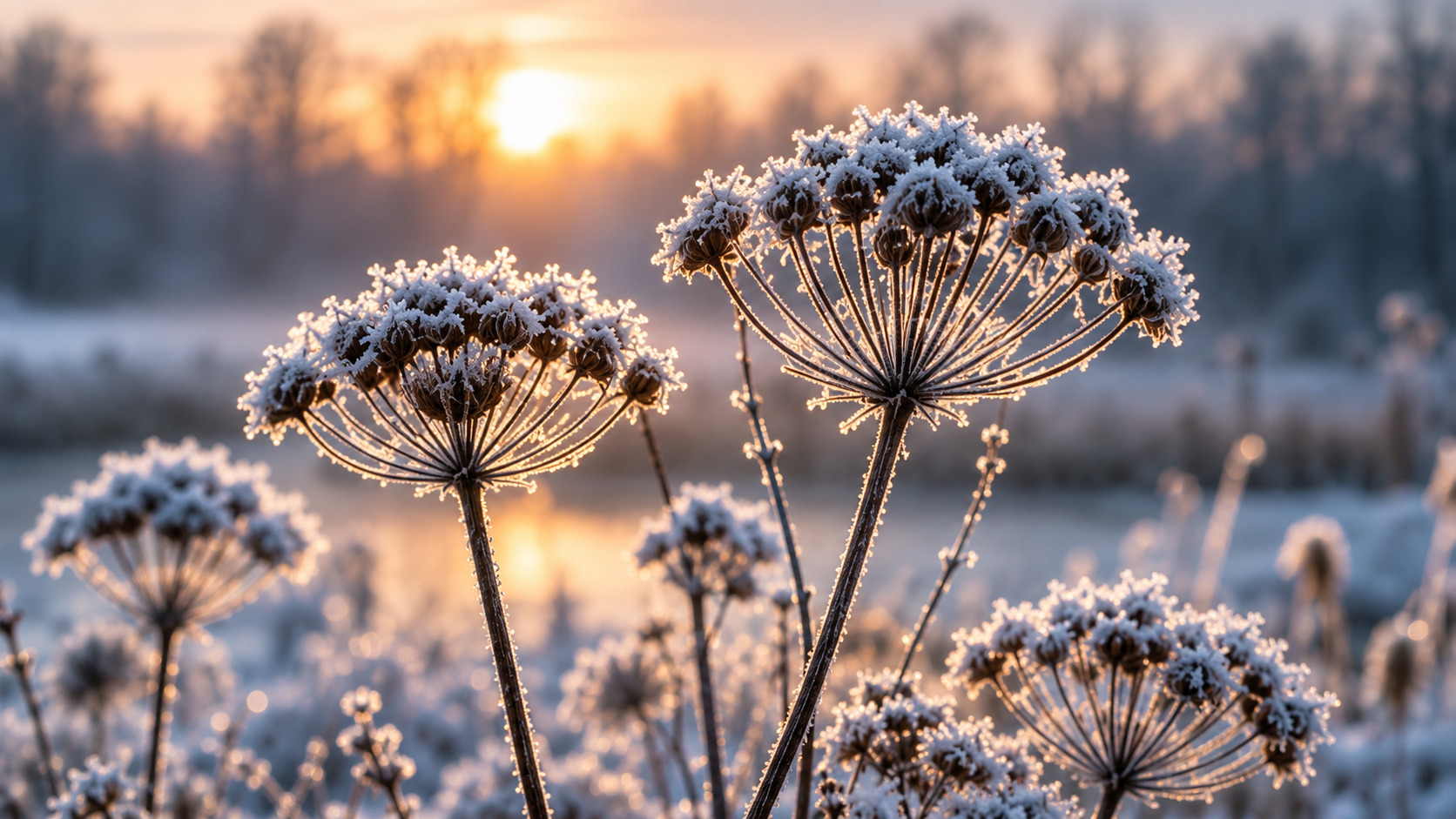
In winter, frost or ice may transform the edges of the lake.
In spring and summer, aquatic plants grow, insects emerge and wildlife activity changes.
Even when the surrounding landscape appears relatively unchanged, the water offers an entirely new picture.
And perhaps there is something particularly appropriate about water within The Turning Year.
It reminds us that apparent permanence can contain continuous movement.
What a Photograph Can Reveal
Photography gives us a remarkable way of exploring change.
A photograph preserves the appearance of a particular moment. It records details that our memories may gradually lose.
When we compare photographs taken from the same position, separated by days, weeks or months, those details become valuable evidence of transformation.
A branch that appeared bare in one photograph may be covered in leaves in the next.
A patch of vegetation may have grown considerably.
The shadows may fall in a different direction.
A familiar sculpture may appear transformed by its surroundings.
The photograph does not simply remind us of what we saw. It allows us to make comparisons that would otherwise be difficult.
You might find it interesting to create an album on your phone called The Turning Year and keep your photographs together.
Try to use the same camera orientation and zoom setting each time, so that the changes are easier to compare.
After several months, look through the photographs in sequence.
You may be surprised by the story they tell.
And after a full year, imagine seeing all four seasons unfold before you in a matter of seconds.
The Extraordinary Within the Ordinary
There is a deeper invitation within this simple exercise.
We often seek extraordinary experiences by travelling somewhere new, discovering unfamiliar places or encountering things we have never seen before.
There is nothing wrong with that curiosity.
But perhaps we sometimes overlook the extraordinary nature of what is already familiar.
A tree growing beside a lake is an astonishingly complex living organism.
Its leaves capture energy from sunlight. Its roots absorb water and minerals. Its tissues transport nutrients and support growth. It responds to temperature, light, gravity, moisture and countless other environmental influences.
All of this is happening quietly, whether we notice it or not.
The same is true of the entire landscape.
What appears to be a peaceful, unchanging view is actually an intricate collection of living processes, constantly interacting and transforming.
The more closely we observe, the more remarkable the ordinary becomes.
Perhaps wonder does not always require us to discover something new.
Sometimes it simply requires us to look at something familiar with renewed attention.
The Turning Year Within Us
There is another aspect of this reflection worth considering.
While the landscape changes, so do we.
The person who stands here today will not be quite the same person who returns in a month's time.
Our experiences, thoughts, relationships and understanding are continually shaping us.
Most of these changes are gradual.
We rarely wake up one morning and suddenly recognise that we have become more patient, more understanding or more comfortable with uncertainty.
Yet when we look back over a longer period, we may discover that something within us has shifted.
Perhaps we have learned to appreciate things that once seemed unimportant.
Perhaps we have become less concerned with matters that previously occupied our thoughts.
Perhaps we have discovered new interests, developed a different perspective or found greater contentment in simple experiences.
Just as the landscape changes without losing its essential character, we too are continually becoming.
And perhaps returning to the same view offers an opportunity to notice both kinds of change.
Not only what is different in the world before us, but what is different in the way we experience it.
An Invitation to Look Back
As your collection of photographs grows, take a little time to revisit them.
Rather than simply looking for the most dramatic seasonal differences, explore the smaller changes.
Notice when the first leaves appeared.
Look at how the colours gradually shifted.
Compare the light, the reflections and the shapes of the trees.
Consider how much happened between one photograph and the next.
And perhaps remember something of your own experience on those days.
What was happening in your life?
How were you feeling?
What occupied your thoughts?
The photographs may become more than a record of the landscape. They may also become gentle reminders of moments in your own turning year.
A Different View Every Time
The beauty of this reflection is that it never really ends.
There is no final photograph, no definitive view, no moment when the landscape has completed its transformation.
Even after a full year, the next year will bring something different.
Spring may arrive earlier or later. Summer may be warmer or wetter. Autumn colours may be more vivid. Winter may bring frost, snow or weeks of gentle rain.
Each year has its own story.
And each visit offers another opportunity to notice.
So return whenever you can.
Stand in the same place.
Take another photograph.
Allow yourself a few moments to really look.
Notice what has changed, what has remained and what you might not have seen before.
The view stays in the same place. Everything within it is changing.
And perhaps, in learning to notice the gradual transformations of the landscape, we become a little more attentive to the extraordinary, ever-changing experience of being alive.

The View Stays in the Same Place
Everything Within It Is Changing
Return to this view throughout The Turning Year.
Notice the subtle shifts, the seasonal transformations
and how the familiar can offer something new every time.
Stay Connected
A Little More of The Turning Year
Receive occasional reflections, seasonal observations and invitations to spend time in nature