
The Wonder of Being Here
The extraordinary is not always found in extraordinary things.
We spend much of our lives searching for experiences that will move us. A magnificent sunset, a breathtaking landscape, an encounter that changes the way we see the world.
We travel to remarkable places, seek out beautiful moments and look forward to occasions that promise something special.
Yet perhaps, in our search for the extraordinary, we overlook two of the greatest wonders of all.
The extraordinary nature of the ordinary world.
And the simple fact that we are here to experience it.
The Miracle of Experience
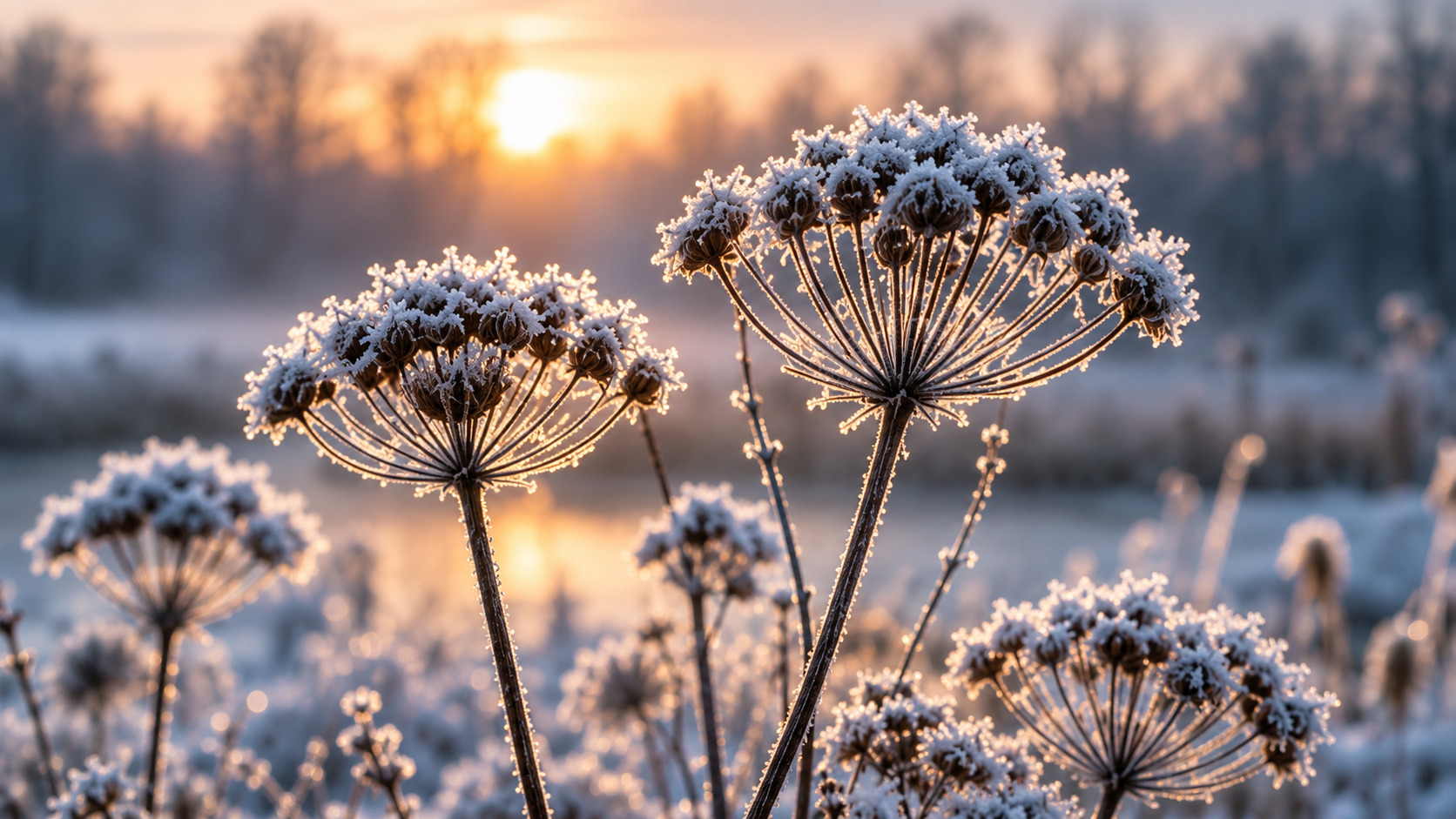
Imagine standing beside a lake on a quiet winter morning.
The trees are bare. A thin mist drifts across the water. The cold air touches your face, and somewhere in the distance a bird calls.
There is nothing particularly dramatic about the scene. No spectacular sunset, no extraordinary event. Just an ordinary winter morning.
But pause for a moment and consider what is actually happening.
Light reflected from the landscape enters your eyes. Within fractions of a second, your brain transforms patterns of electrical activity into an experience of colour, shape and depth.
Vibrations travelling through the air become the sound of birdsong. Nerve endings in your skin respond to the cold, creating the sensation of winter air against your face.
And somehow, all these processes come together as a single, seamless experience.
You are not merely receiving information about the world.
You are experiencing it.
Science has revealed an extraordinary amount about how our senses and brains work, yet the deeper question of how physical processes give rise to subjective experience remains one of the great mysteries of consciousness.
Why should the activity of billions of neurons be accompanied by the felt experience of seeing a sunrise, hearing music or feeling the warmth of another person's hand?
We do not yet have a complete answer.
And perhaps that uncertainty makes the simple fact of being conscious even more remarkable.
The sunset may be beautiful, but the fact that we can experience its beauty is a wonder in itself.
The Extraordinary Hidden Within the Ordinary
Now turn your attention to something much smaller.
A fallen leaf lying on the winter ground.
At first glance, there may be nothing remarkable about it. Perhaps it is brown and curled, its edges beginning to decay.
Yet this ordinary leaf contains an extraordinary story.
It began as a tiny bud, formed by a tree preparing for another season of growth.
As the days lengthened and temperatures rose, the bud opened. The leaf unfolded and began capturing energy from sunlight through photosynthesis, using water and carbon dioxide to produce sugars that helped sustain the tree.
Throughout spring and summer, it participated in a remarkable exchange between the tree and the atmosphere.
Then, as autumn approached, changes in daylight and temperature triggered the processes that would eventually cause it to fall.
Now, lying on the ground, it is becoming part of another transformation.
Fungi, bacteria and countless small organisms will gradually break it down, returning nutrients to the soil, where some may eventually support new growth.
What appears to be the end of one small leaf is part of a continuing cycle of life.
And this is true of almost everything around us.
A stone carries a geological history that may stretch back millions of years.
A drop of water may have travelled through clouds, rivers, oceans, plants and living creatures countless times.
A winter tree, apparently dormant and lifeless, contains the structures and stored resources that will support the next season's growth.
The ordinary becomes extraordinary when we begin to understand what we are looking at.
We Are Made of the Same World
There is another remarkable aspect to this winter landscape.
We are not separate from it.
The atoms that make up our bodies have histories extending far beyond our own lives.
Much of the hydrogen in us originated in the early universe. Many of the heavier elements essential to life were formed within stars or during the violent events associated with stellar death.
Over billions of years, these elements became part of planets, oceans, rocks and eventually living organisms.
The carbon in our bodies may once have been part of a tree. The oxygen we breathe is continually replenished through the activity of photosynthetic organisms. The water within us participates in the same planetary cycle as the rain falling on the lake.
And this exchange never stops.
With every breath, we take in molecules from the world around us and release others back into it.
Through food and water, matter enters our bodies, becomes part of our living processes and eventually returns to the wider environment.
Our bodies are not fixed collections of material, but living systems maintained through continual exchange.
We are, quite literally, part of nature.
Not visitors to the natural world.
Not observers standing outside it.
But temporary expressions of the same unfolding processes that shape the trees, the lakes, the seasons and the stars.
And within this remarkable arrangement of matter, we have developed the capacity to become aware of the world from which we emerged.
There is something deeply moving about that thought.
We are nature experiencing nature.
The Hidden Potential in Everything
Winter offers a particularly powerful reminder that what we see is not always the whole story.
A bare tree may appear to be doing very little.
Yet beneath its bark, living tissues remain active. Buds formed during the previous growing season hold the beginnings of future leaves and flowers.
The tree is not simply waiting for spring. It is already prepared for possibilities that have yet to become visible.
Beneath the soil, seeds may lie dormant, responding to conditions that will eventually allow germination.
Within a fallen log, fungi and insects are participating in processes of decomposition and renewal.
What appears still or empty may contain an extraordinary amount of activity and potential.
And perhaps this is true beyond the natural world.
An ordinary conversation may introduce an idea that changes the way we think.
A chance encounter may develop into a lasting friendship.
A book discovered unexpectedly may open an entirely new direction in life.
Even a familiar place may reveal something we have never noticed before.
We cannot know in advance which encounters will matter, which experiences will shape us or what possibilities may emerge from apparently insignificant moments.
Of course, not every encounter will be transformative. Not every seed will germinate, and not every possibility will become reality.
But the potential is there.
And recognising that possibility changes the way we approach the world.
Rather than assuming we already know what something is, we become curious about what else it might contain.
Rather than dismissing the familiar as uninteresting, we begin to look again.
Perhaps wonder is less about finding extraordinary things and more about discovering the extraordinary possibilities already present in the ordinary.
Learning to See With Fresh Eyes
As children, we often approach the world with a natural sense of curiosity.
A stone, a feather, a puddle or an insect can hold our attention for a surprisingly long time.
We examine things without necessarily needing them to be useful or important.
But as we grow older, familiarity begins to change the way we see.
Our brains become increasingly efficient at recognising patterns and predicting what we are likely to encounter.
This ability is enormously useful. Without it, navigating everyday life would require an exhausting amount of conscious attention.
But efficiency comes with a cost.
Once we recognise something, we may stop really looking at it.
A tree becomes simply a tree.
A familiar path becomes a route to somewhere else.
A winter morning becomes another cold day to endure before spring arrives.
We replace direct experience with our assumptions about what we are experiencing.
And gradually, the extraordinary world around us can begin to seem ordinary.
One of the invitations of The Turning Year is to reverse this process, even if only for a few moments.
To approach familiar things with fresh curiosity.
To look at a tree as though we had never seen one before.
To notice how the light changes across a lake.
To wonder about the history of a stone or the hidden life beneath our feet.
Not because we need to find something spectacular, but because there is so much more to the familiar world than we usually recognise.
The Beauty of an Ordinary Moment
There is a subtle but important difference between appreciating beautiful experiences and appreciating the capacity to experience life.
The first depends, at least partly, on what happens around us.
We enjoy a beautiful sunset, a warm summer evening or the first signs of spring.
The second invites us to recognise something more fundamental.
That we are alive and aware, participating in a world of extraordinary complexity and continual change.
This does not mean that every experience is pleasant, or that suffering should somehow be regarded as beautiful.
Life includes pain, grief, uncertainty and loss. There are times when simply getting through the day is enough.
Recognising the wonder of consciousness does not diminish those experiences or require us to feel grateful for them.
But it can offer another perspective.
We do not need to wait for ideal circumstances before we can notice something meaningful.
Even on an unremarkable winter day, there may be a moment of stillness, an unexpected sound, a subtle change in the light or the simple sensation of breathing cold air.
And perhaps, occasionally, we can appreciate not only what we are experiencing, but the extraordinary fact that we are experiencing anything at all.
The Turning Year: An Invitation to Wonder
The Turning Year is about more than observing the changing seasons.
It is an invitation to rediscover our relationship with the natural world and, through that relationship, to see our own lives differently.
Each season reveals something about change, impermanence, growth and renewal.
Winter, perhaps more than any other season, encourages us to look beyond appearances.
What seems empty may be full of life.
What appears to have ended may be part of a new beginning.
What looks ordinary may contain an extraordinary story.
And within all this, we are here.
Not separate from the turning seasons, but part of them.
Our bodies change. Our perspectives evolve. Our experiences come and go.
Like the landscape around us, we are never quite the same from one moment to the next.
And each moment offers an opportunity to notice something that has never existed in precisely this form before.
Perhaps that is the deeper invitation of The Wonder of Being Here.
Not to search endlessly for extraordinary experiences.
But to recognise the extraordinary nature of the world we already
Stay Connected
A Little More of The Turning Year
Receive occasional reflections, seasonal observations and invitations to spend time in nature